
Le Memorial du 19 Aout 1942: Honoring a Critical World War II Battle
August 02, 2025

I spent nearly three hours walking through the memorial, deeply moved by the personal stories and military artifacts that bring the Dieppe Raid's human cost into sharp focus. The memorial sits right on the actual beach where the 1942 raid occurred, making the historical experience incredibly powerful and immediate.
Le Memorial du 19 Aout 1942 reveals the untold story of a single day that changed World War II military strategy forever. Discover how a catastrophic Canadian military raid transformed Allied invasion planning on the exact beaches where history was written.
Need-to-Know Info Before Visiting Le Memorial du 19 Aout 1942
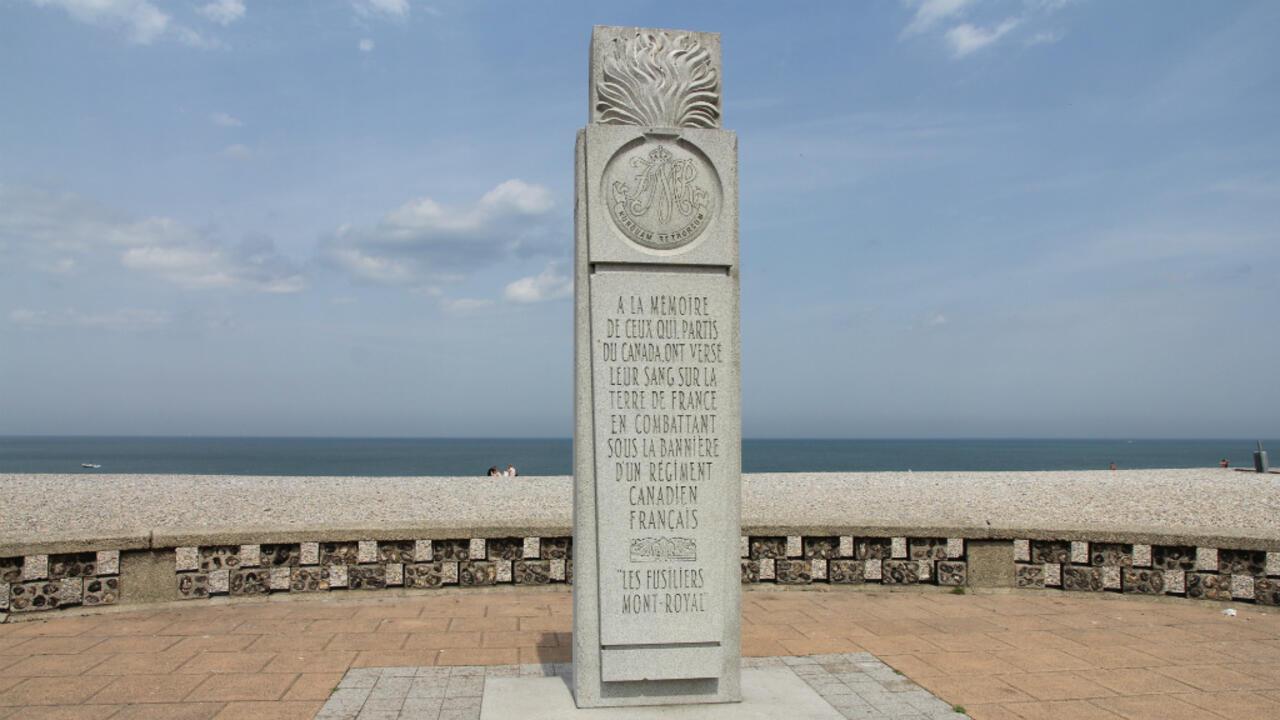
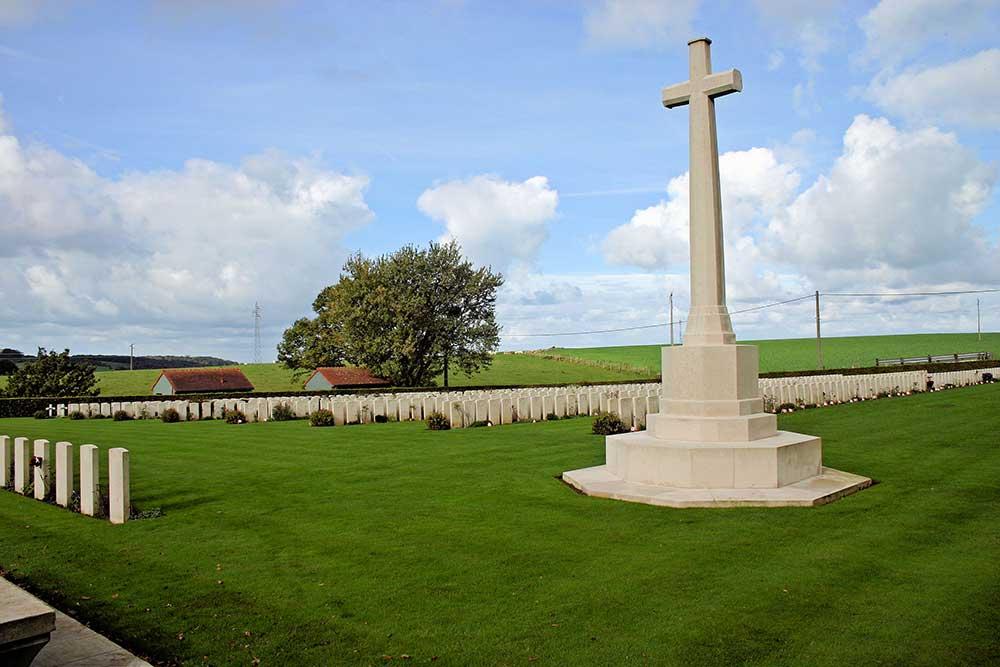


5+
images
Le Memorial du 19 Aout 1942 Address
Quai du Canada, 76200 Dieppe, France
Le Memorial du 19 Aout 1942 Opening Hours
- 🕒 Summer (April-September): 10 AM - 6 PM daily
- 🕒 Winter (October-March): 10 AM - 5 PM daily
- 🕒 Closed on January 1st and December 25th
How to get to Le Memorial du 19 Aout 1942
- 🚗 By car: Park at Quai du Canada public parking
- 🚌 Public transport: Dieppe City Bus Line 1 & 2, stop at 'Quai du Canada'
- 🚕 Rideshare: Uber and local taxi services available
What is Le Memorial du 19 Aout 1942 known for?
- Commemorates the largest Allied raid on Nazi-occupied Europe before D-Day
- Documents the catastrophic 1942 Dieppe Raid where 73% of Canadian soldiers were killed, wounded, or captured
- Highlights critical military lessons that shaped future Allied invasion strategies
- Features rare World War II artifacts and personal accounts from Canadian soldiers
- Located on the exact beaches where the historic battle took place
What is Le Memorial du 19 Aout 1942 in Dieppe?
Le Memorial du 19 Aout 1942 stands as a powerful testament to one of World War II's most critical and heartbreaking military operations. Located directly on the beaches of Dieppe, this memorial attracts history buffs, military researchers, and Canadian war veterans seeking to understand a pivotal moment in World War II. The site draws thousands of international visitors annually, particularly Canadian tourists paying respects to the soldiers who fought in the 1942 raid. Positioned strategically where the actual battle unfolded, the memorial offers unobstructed views of the beaches where over 6,000 Canadian soldiers confronted Nazi defenses. Visitors can walk the same shoreline where one of the war's most significant learning experiences occurred, with informative displays that explain how this single disastrous raid ultimately contributed to the successful D-Day landings. Compact but information-rich, the memorial features photographs, military artifacts, and personal accounts that transform a tragic military episode into an educational experience about military strategy, sacrifice, and resilience.
Top things to do at Le Memorial du 19 Aout 1942
- Walk along the actual beach landing sites where the 1942 Dieppe Raid took place, tracing the precise routes of Canadian soldiers
- Explore the detailed photographic exhibit documenting the military operation, including rare wartime photographs and personal soldier accounts
- View authentic military equipment and artifacts from the 1942 raid, including weapons, uniforms, and communication devices used during the battle
- Attend the memorial's documentary screenings that provide in-depth historical context about the strategic importance of the Dieppe Raid
- Participate in guided tours led by military historians who explain the tactical significance of the raid and its impact on future Allied strategies
- Visit the outdoor memorial sculptures honoring Canadian soldiers who fought and sacrificed their lives during the 1942 operation
Tickets and Entry
Entry to Le Memorial du 19 Aout 1942 is free for all visitors. However, donations are welcome and help support the memorial's maintenance and educational programs. Guided tours are available for a small fee of approximately 8-10 euros per person. School groups and veterans receive discounted or complimentary entry. Online booking is recommended during peak tourist seasons to guarantee entry and participate in guided tours.
History of Le Memorial du 19 Aout 1942
- 1942: Dieppe Raid occurs, a catastrophic military operation with 73% Canadian casualties
- 1944: D-Day landings incorporate strategic lessons learned from the Dieppe Raid
- 1950s: Initial discussions begin about commemorating the historical significance of the raid
- 1993: Official memorial project initiated by Canadian and French veterans' committees
- 2002: Le Memorial du 19 Aout 1942 officially opened to the public
- 2015: Major renovation and expansion of exhibit spaces completed
Tips for Visitors
- Allocate 2-3 hours for a comprehensive memorial visit
- Wear comfortable walking shoes for beach and exhibit area exploration
- Photography is permitted in most exhibition areas
- English and French audio guides are available
- Accessibility ramps available for visitors with mobility challenges
- Nearby parking available, but can be limited during peak tourist season
Cultural Significance
Le Memorial du 19 Aout 1942 represents a critical moment in Canadian military history, symbolizing both sacrifice and learning. The site serves as a poignant reminder of the strategic lessons learned during World War II, highlighting the courage of Canadian soldiers and their contribution to Allied victory. For many Canadian families, this memorial represents a place of remembrance, education, and national pride.
What are some interesting facts about Le Memorial du 19 Aout 1942?
- Some of the military maps and planning documents used in the Dieppe Raid are so rare that historians consider them more valuable than gold in military archives
- The memorial contains personal letters from soldiers that were never sent home, preserved exactly as they were found on the battlefield in 1942
- Local Dieppe residents who witnessed the raid have contributed oral history recordings that are not available in any other World War II museum collection